When the Tank Is Empty
There’s a stanza in Rudyard Kipling’s If— that I’ve returned to more than any other piece of writing in my career. Not the famous lines about keeping your head, or treating triumph and disaster as impostors — though those resonate deeply. It’s the third stanza. The one that doesn’t get quoted as often. The one that tells the truth about what leadership actually costs.
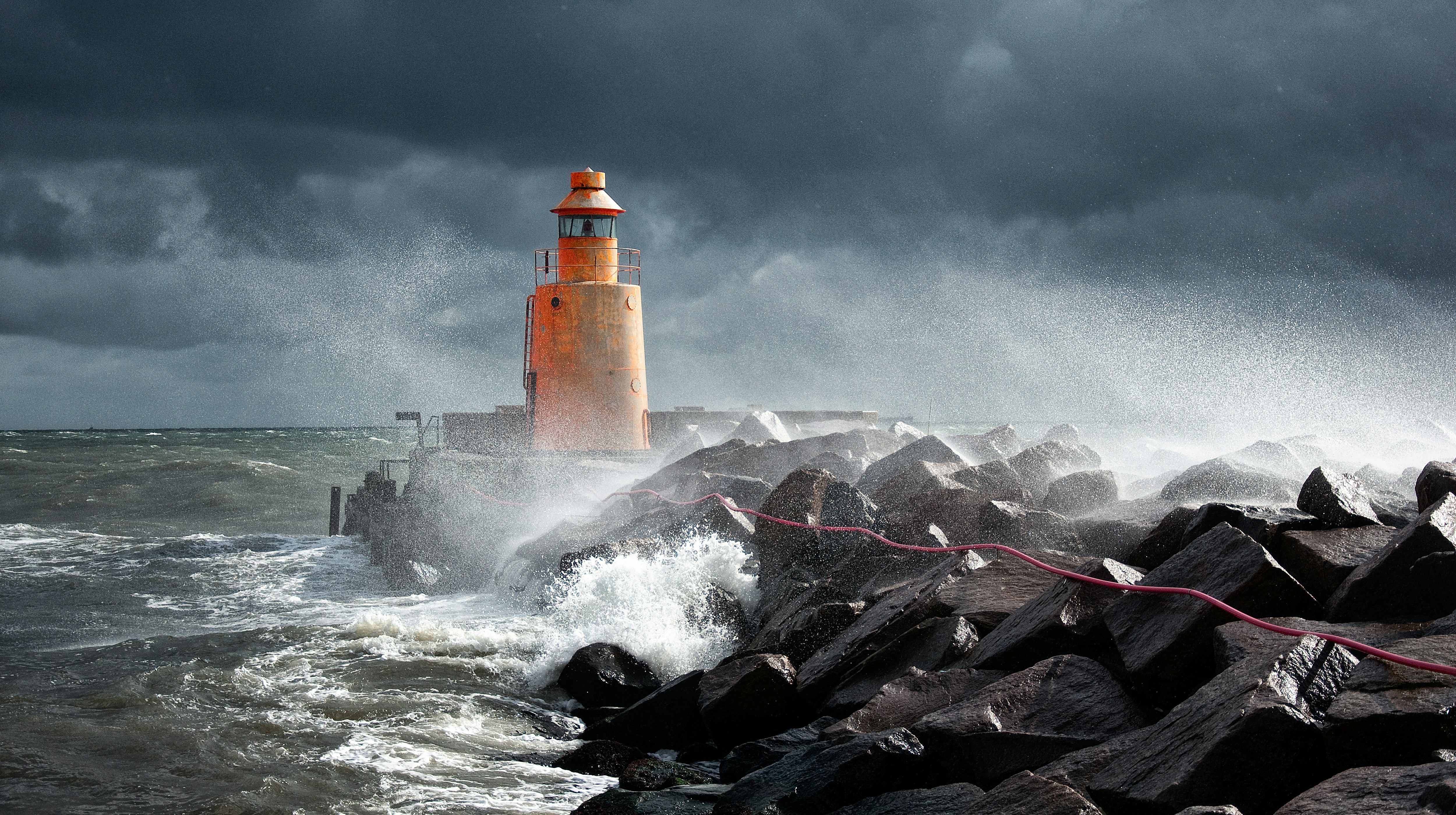
If you can force your heart and nerve and sinew, To serve your turn long after they are gone, And so hold on when there is nothing in you Except the Will which says to them: ‘Hold on!’
I read this differently now than I did before a particular stretch of time that I can only describe as the hardest weeks of my professional and personal life — happening simultaneously.
Two Clocks, Both Urgent
A serious cybersecurity incident doesn’t wait for a convenient moment. The incident response clock started ticking the moment we confirmed the details — stakeholder communications, forensic analysis, containment decisions, executive briefings. The kind of work that demands your full cognitive and emotional presence.
At exactly the same time, a family member at home is recovering from a major surgery, needing round-the-clock care. The other clock — quieter, more personal — started ticking too.
There was no option to pause one for the other. Both were real. Both required everything I had.
What “Nothing Left” Actually Feels Like
Most writing about resilience stops just short of the honest part. It talks about digging deep, finding reserves, and pushing through. What it rarely says is: what happens when you’ve already dug, and there’s nothing there?
That’s where Kipling is more truthful than most. He doesn’t promise hidden reserves. He doesn’t say you’ll find energy you didn’t know you had. He says the heart, the nerve, the sinew — they will run out. The question is what remains after they do.
What I found, in practice, was something quieter and less heroic than resilience is usually portrayed. It wasn’t a surge of strength. It was a series of very small decisions: send the next update, make the next call, check on the person in the next room, then do it again. One minute at a time. The will didn’t feel powerful. It felt stubborn.
That stubbornness, I now think, is exactly what Kipling meant.
The Leadership Lesson I Didn’t Expect
What surprised me wasn’t that I got through it — you do, because you must. What surprised me was what it clarified about leadership under pressure.
Composure is a choice you keep making, not a state you achieve. In incident response, the team looks to you to calibrate their own anxiety. Every time I appeared on a call, the tone I set shaped theirs. That required constant, deliberate choosing — not a reservoir of calm I was drawing from, but an active decision repeated dozens of times a day.
Prioritisation becomes ruthless, and that’s not a bad thing. When you are genuinely at capacity, everything that isn’t essential falls away naturally. I stopped attending to things that felt urgent but weren’t important. That clarity, forced by circumstance, is something I’ve tried to preserve deliberately since.
Vulnerability doesn’t undermine authority — performing invulnerability does. I didn’t broadcast what I was managing personally. But I also didn’t pretend to be a machine. The people around me knew something was hard. Acknowledging that — without making it their problem — created more trust than any display of effortless capability would have.
What “Hold On” Really Means
The phrase Kipling uses isn’t push through or rise above. It’s simply: hold on. That distinction matters.
Holding on isn’t triumphant. It doesn’t look impressive from the outside. It means staying present when presence is the hardest thing to give. It means not making the crisis worse by collapsing into it. It means doing the next necessary thing, and then the one after that.
In cybersecurity — in any high-stakes leadership role — there will be moments when the professional and personal collide in ways that feel impossibly unfair. When the timing is cruel and the demands are total.
Kipling wrote this poem as advice to his son. I read it now as advice to myself: you are allowed to be depleted. You are not allowed to stop. The will that says hold on doesn’t need to feel strong. It just needs to keep saying it.